
From the laboratory to brain-computer interfaces
Currently, in-depth research in neuroscience and AI is focusing on deciphering how the brain processes information and how it connects with machines.
Neural implants and brain-computer interfaces (BCI) are no longer just theoretical concepts. They are being developed and applied in practice to assist patients with severe neurological disorders, enabling them to communicate or control peripheral devices using only their thoughts.
The current reality: Technology is currently limited to reading and translating bioelectrical signals from the brain into control commands, not understanding or replicating thought processes.
3 Major Obstacles: When Science Hasn’t Yet Caught Up with Ambitions
While predictions of achieving “digital immortality” in the next few decades sound very appealing, mainstream science asserts that this is completely beyond current technological capabilities due to three major bottlenecks: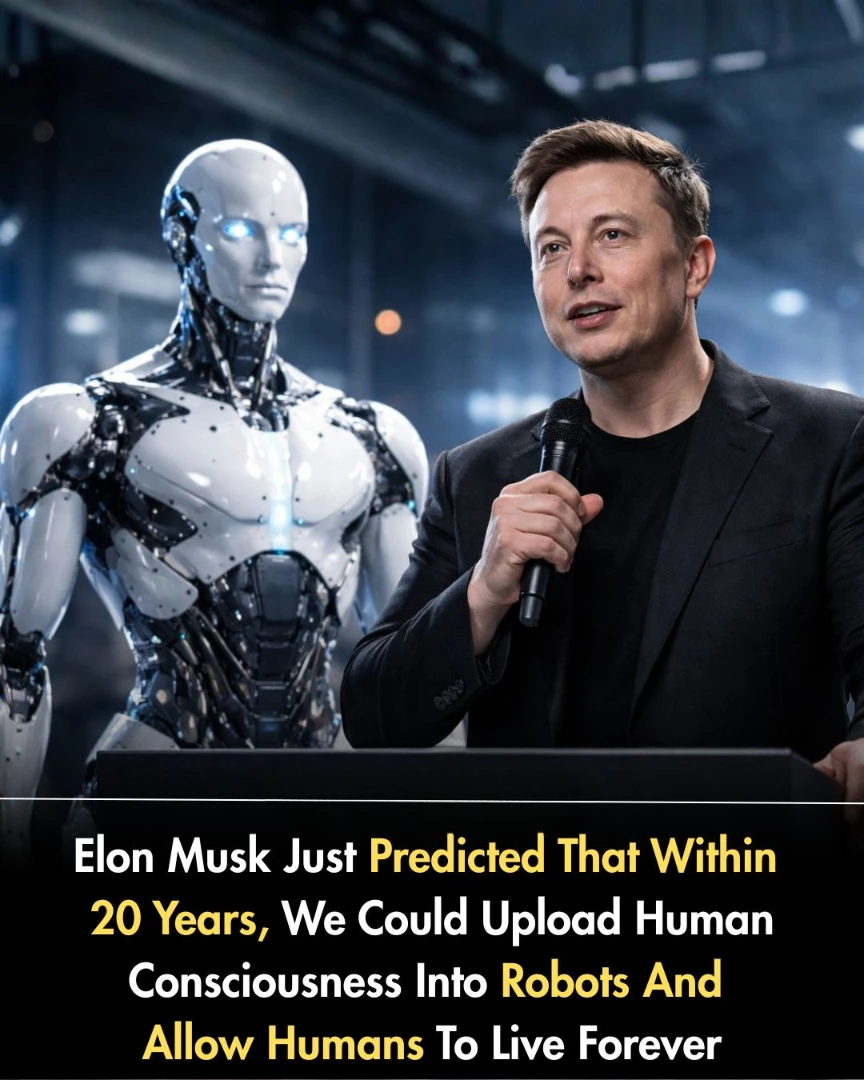
The Ambiguous Nature of Consciousness: Scientists still don’t fully understand what “consciousness” is, or where exactly it originates within the network of billions of neurons. Without a thorough understanding of its nature, recreating or translating it into a digital format is impossible.
Hardware and algorithmic limitations: To accurately simulate how the brain works, we need revolutionary breakthroughs in both neuroscience and supercomputing.
Biological complexity: The brain is not just an electronic circuit board; it is a complex biological system constantly interacting with hormones, emotions, and the environment.

Unanswered ethical questions:
If this technology succeeds, it will open a “Pandora’s Box” full of philosophical and ethical debates:
Self and Identity: Is the digital copy in the computer truly you, or merely a simulated entity with similar thinking?

Human existence: Without a biological body, how would the concepts of life, death, and human rights be redefined?
The idea of transferring consciousness into machines is clearly a fascinating topic, stimulating the imagination and driving humanity to break through technological limitations. However, at present and in the near future, this remains a long-term scientific exploration problem, rather than an imminent reality. We are entering the digital age, but the human brain still holds its most sacred mysteries that machines have yet to uncover.